
HackRF One vs Yard Stick One: SDR Showdown
HackRF One vs Yard Stick One — a detailed comparison of two popular RF tools. Compare frequency ranges, bandwidth, TX/RX capabilities, and decide which SDR is right for your research.
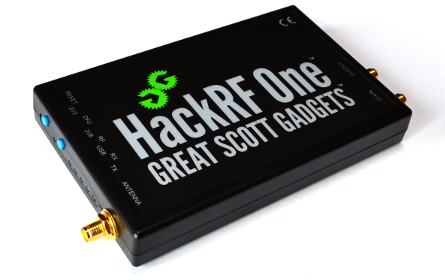
HackRF One
Wide-band SDR platform — turn your laptop into a full-spectrum radio lab from 1 MHz to 6 GHz.
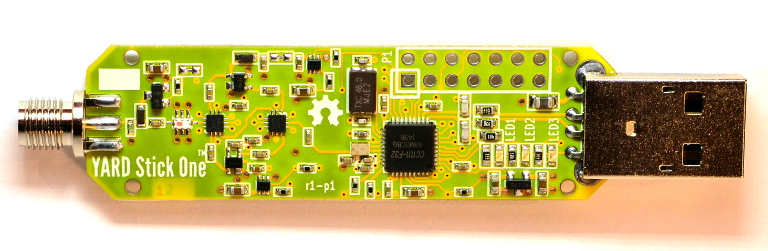
Yard Stick One
Sub-1 GHz wireless transceiver — test garage doors, key fobs & IoT security.
SPEC COMPARISON
| Specification | HackRF One | Yard Stick One |
|---|---|---|
| Frequency Range | 1 MHz to 6 GHz | 300-348 MHz, 391-464 MHz, 799-928 MHz |
| Bandwidth | 20 MHz | Up to 800 kHz |
| TX/RX Capability | Half-duplex TX and RX | Half-duplex TX and RX |
| Price | $339.00 | $119.00 |
| Form Factor | PCB with SMA connector, 120 x 75 mm | USB stick form factor with SMA, very compact |
| Software Support | GNU Radio, SDR#, GQRX, Universal Radio Hacker, PortaPack | RfCat framework, Python API |
| Learning Curve | Steep — requires GNU Radio knowledge | Moderate — Python scripting with RfCat |
| Best For | Wide-spectrum RF research, signal analysis, advanced RF testing | Sub-GHz ISM band research, garage doors, car key fobs, IoT |
OUR VERDICT
The HackRF One is the far more capable device with its massive frequency range and wideband capabilities, making it the go-to for serious RF research across the entire spectrum. The Yard Stick One is a focused, affordable tool that excels specifically at sub-GHz ISM band work. If you only need to test garage doors, key fobs, and IoT sensors operating below 1 GHz, the Yard Stick One saves you $220 and is simpler to use.
HackRF One
Choose the HackRF One if you need full-spectrum RF analysis from 1 MHz to 6 GHz. It pairs perfectly with a PortaPack for portable operation and supports a massive ecosystem of software tools.
View ProductYard Stick One
Choose the Yard Stick One if your work focuses on sub-GHz devices like garage doors, tire pressure sensors, and IoT gadgets. The compact USB form factor and Python-based RfCat framework make it quick to deploy.
View Product