
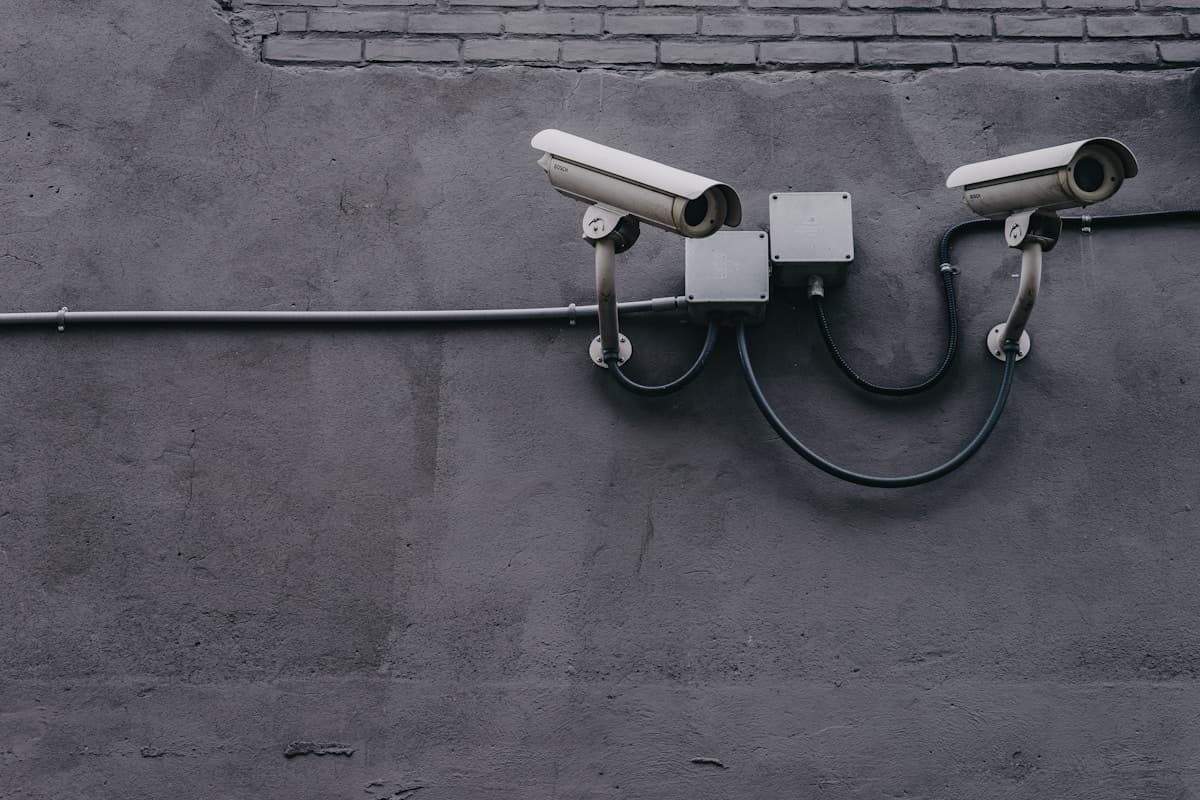
Counter-Surveillance 101: How to Detect Hidden Cameras, Bugs, and GPS Trackers
Hidden surveillance technology has never been more affordable or more miniaturized. A spy camera the size of a button sells for $30 online. A GSM listening bug smaller than a deck of cards can transmit audio anywhere in the world for months. A magnetic GPS tracker can be hidden on your vehicle in seconds and run for weeks on a single charge.
This guide covers the practical techniques and tools to find these devices — whether you're checking a hotel room before a confidential meeting, inspecting an Airbnb before a family stay, or sweeping a vehicle you have reason to believe is being tracked.
Understanding the Threat
Before diving into detection, it helps to understand what you're looking for and how these devices work.
Hidden Cameras
Modern spy cameras are defined by two things: tiny size and wireless transmission. Categories include:
WiFi cameras — Connect to local WiFi or broadcast their own hotspot. Stream live video to apps or cloud storage. Common frequencies: 2.4 GHz and 5.8 GHz. These are detectable via RF scanning and WiFi network scanning. 4G/LTE cameras — Have their own cellular SIM, don't need local WiFi. Transmit live video anywhere with cell coverage. Harder to detect via RF (intermittent transmission), but detectable via lens detection. Recording-only cameras — Save to microSD, no wireless transmission. Cannot be detected via RF — only physical inspection or lens detection finds these. Key hiding spots: Smoke detectors, alarm clocks, USB chargers, picture frames, air purifiers, books on shelves, vents, wall outlets, television bezels.Listening Devices (Bugs)
Audio bugs are typically categorized by how they transmit:
- RF bugs: Transmit continuously on a fixed frequency — easiest to detect with a wideband RF detector
- GSM bugs: Use a cellular connection, transmit on demand when called — intermittent signal
- Digital recorder bugs: Record locally to flash memory — no RF to detect, physical search required
- Power line bugs: Use building electrical wiring as a carrier — require specialized detection
GPS Trackers
Two types dominate the consumer/criminal market:
Active trackers: Have cellular modems, report position in real-time. Transmit at intervals (every 30 seconds to 5 minutes is common). Detectable via RF scanning for cellular bands. Passive trackers: Log GPS data internally, require physical retrieval to read. No active transmission — undetectable via RF. Finding these is purely physical.Detection Tool Stack
A practical counter-surveillance kit doesn't need to be expensive:
| Tool | What It Finds | Price Range |
|------|---------------|-------------|
| RF detector (broadband) | WiFi cameras, RF bugs, cellular trackers (during transmission) | $50-300 |
| Camera lens finder | Any camera (on or off, transmitting or not) | Included in good RF detectors |
| WiFi scanner app | WiFi cameras on local networks | Free |
| Physical inspection (eyes + flashlight) | Recording-only cameras, passive trackers, poorly hidden devices | $0 |
| Magnetic wand | Magnetic GPS trackers on vehicles | $20-80 |
A quality combination RF/lens detector handles 80% of common threats.
Hotel Room and Airbnb Sweep Protocol
Step 1: Don't Touch Anything Yet
Enter the room, drop your bags, and observe. Before touching anything:
- Note any items that seem out of place
- Look for decor that's positioned with clear sightlines to beds or sitting areas
- Check if smoke detectors, clocks, or chargers look different from what you'd expect
Step 2: Check the WiFi Network
On your phone:
- Connect to the property WiFi
- Use a WiFi scanner app (Fing is free and good)
- Look for devices you don't recognize — especially anything named with a camera brand or generic "IPCamera", "CAM_XXXX" type names
- Compare device count to what you can see (your phone, laptop, etc.)
An unknown camera-named device on the network is a strong indicator.
Step 3: Physical Inspection
Systematically check:
Obvious hiding spots:- Smoke detectors (real smoke detectors don't have USB ports or blinking lights)
- Alarm clocks (especially those with small holes or unusual angles)
- USB chargers (the dual-purpose charger/camera is extremely common)
- Air purifiers and diffusers
- Picture frames (especially those facing beds)
- Books on shelves (a gap-facing "book" with a small hole)
- Small holes (3-8mm) in objects
- Objects positioned with clear sightlines rather than natural placement
- Devices with power (LED indicator lights, warm to touch) that seem unnecessary
- Objects with tiny camera-shaped holes visible when you shine a flashlight at them
Step 4: RF Sweep
With your RF detector:
- Turn off your own devices (phone to airplane mode, laptop closed)
- Establish baseline — note constant signals
- Sweep slowly at wall height, head height, and low
- Move toward signal increases
- Pay extra attention to areas near beds, desks, bathrooms
Step 5: Lens Detection
In dim conditions:
- Use the detector's lens finder mode
- Slowly scan all surfaces while looking through the viewfinder
- Camera lenses reflect the LED/laser with a distinctive bright point or starburst pattern
- This works even on powered-off cameras
Vehicle GPS Tracker Search
If you have reason to believe a vehicle is being tracked, here's the systematic search:
Exterior Search (Magnetic Trackers)
Work section by section with a flashlight and magnetic wand:
High-priority areas:- Under front and rear bumpers
- Inside front and rear wheel wells (all four)
- Under the vehicle chassis (center spine is common)
- Underneath the vehicle near the battery (many trackers have their own battery but some tap vehicle power)
- Behind license plates
Interior Search
- Under seats (especially front seats)
- Trunk floor, under spare tire
- OBD-II port (a device here powers itself from the car and can track indefinitely)
- Inside the dashboard area (professional installations)
RF Detection on the Vehicle
With the vehicle running and ignition on:
- Set RF detector to cellular bands (850-1900 MHz for GSM/3G, 700-2100 for 4G)
- Systematically scan the exterior
- Wait — active trackers transmit at intervals
- A localized signal burst from a specific vehicle area indicates an active tracker
What to Do When You Find Something
In a hotel or Airbnb:- Photograph the device in place before touching it
- If in a hotel: notify the front desk and request a room change, then contact local police
- If in an Airbnb: document thoroughly and report to Airbnb immediately (they have a specific process for this)
- File a police report — this is a criminal matter in virtually every jurisdiction
- If found during a custody dispute or stalking situation: document and contact police before removing
- Do not destroy — it's evidence
- If certain of your safety, you can remove it to stop active tracking while preserving it for law enforcement
Legal Context
In most jurisdictions:
- Installing tracking devices on vehicles you don't own is illegal
- Installing hidden cameras in spaces with reasonable expectation of privacy (bedrooms, bathrooms) is illegal
- Intercepting communications without consent is illegal
Counter-surveillance for your own privacy protection is generally legal. Finding and documenting surveillance devices on your own property or in spaces you're renting is legal. Removing devices to preserve evidence is legal.
If you're a victim of surveillance, the documentation you gather using these techniques is exactly what law enforcement needs.
Building Your Counter-Surveillance Kit
For a practical starting kit:
- Broadband RF detector with lens finder — your core tool
- WiFi scanner app (Fing, free) — for WiFi cameras
- Small flashlight — for visual inspection in dark areas
- Magnetic wand — for vehicle searches